see the full blog entry (with more examples) online:
10 skills the PR pro of 2022 MUST have, by Arik Hansen via
CommunicationsConversations blog
A few months ago the good folks with the
Puget Sound PRSA chapter asked me to keynote their PRSA Pro Conference on June 12. The topic they wanted me to speak to? What skills does tomorrow’s PR pro need to be successful?
Perfect! A topic about which I’m passionate and know a thing or two. After all, through my business and my
Help A PR Pro Out (HAPPO) work, I talk to a number of people about the skills required in today’s marketplace.
I’m not going to tell you traditional PR skills are dead. On the contrary, they’re more important than ever. But these emerging skills are also critical. And in most cases, they’re simply a layer on top of those traditional skills.
This list is based on conversations I’ve had with recruiters, agency owners, and colleagues over the last few years. These are skills some employers aren’t just looking for—they’re demanding. You will more employers jump on the bandwagon in the years ahead. Just watch.
For now, let’s roll through the 10 skills tomorrow’s PR pro must have to succeed (along with resources and tips):
1. Advertising copywriting
“Tactics I’ve seen include social media management, e-newsletters, Facebook advertising, Google Adwords, and more, and I expect that to increase. Because online advertising is often rooted in messaging rather than creative, it makes sense for PR agencies to drive a lot of it.” –
Rachel Kay, owner, RKPR
Examples:


Resources: Social Fresh Facebook Ad Report
2. Video editing/production
“I predict a large portion of our client budgets will be devoted to creating, editing, and distributing unique company content (blog posts, video interviews, photo albums, etc.). PR professionals will be expected to be savvy with several tools, from social networks to editing software (like Final Cut Pro and PhotoShop) to monitoring and analytics tools (like SM2, Sysomos and Radian6). ” –
Anne Buchanan, owner, Buchanan PR
Tip: “iMovie should be a standard skill that PR pros should be familiar with. Apple offers some great
easy tutorials and, of course, free workshops at their stores for Mac owners. Baseline knowledge of Final Cut and even sound editing using Garage Band [is] even better.” –
Scott Meis, director, digital strategy, Weber Shandwick.
Resources: Tom Martin’s 28 ways to use an iPhone for blog content:
3. Mobile
“In the next few years, PR professionals will (hopefully) embrace and start leveraging mobile as part of recommended strategy and daily work. To date, I see too many poor examples of leveraging the medium (lazy slapping on QR codes, for example), and our PR peers not understanding the important nuance that mobile can add to campaigns today.
“Mobile should be a business driver, not a one-off add-on or neutered experience. Unfortunately, much like social media years back, it’s my assumption the PR industry won’t place importance on this channel until our clients start specifically asking for it.” –
Greg Swan, vice president of digital strategy, Weber Shandwick

Example: Mall of America uses QR code event to drive aware ness, sales on Black Friday.
Tip: Always keep the customer experience in mind.
Resources: Follow
@aaronstrout and
@schneidermike, both of whom are great location-based marketing experts. Or, if that’s too hard, just buy their book, “
Location Based Marketing for Dummies.”
4. Social content creation/curation
“I think we’ll begin to own the content piece of digital marketing. Right now, too many executives, marketers, and sales people own it, which creates more sales-y content that doesn’t go anywhere. PR pros, by nature, are storytellers and the content will begin to shift to those who know how to write engaging and valuable content.” –
Gini Dietrich, owner, Arment Dietrich
Resources: Check out
Joe Pulizzi’s blog, which is full of great content ideas and strategies. I also think
Shel Holtz has some interesting ideas around content curation; he’s a big fan of Storify (which I love as a tool for brands).
5. Analytics
“The PR professional of tomorrow is faced with an unlimited source of data about their key audiences. It will be critical for the PR pro to be able to analyze large amounts of data pertaining to search behaviors, engagement patterns on Facebook and other social platforms and, most importantly, understand how to measure their contribution to the impact of a communications program and business objective(s).
“The time has long since passed where the PR pro can claim ignorance on how to gather, analyze, and develop insights from data. There isn’t an expectation that he/she will be a data analyst, but if he/she isn’t comfortable working
with a data analyst then they will be left behind.” –
Chuck Hemann, director of analytics, WCG
Examples:

Tip: Don’t let the tool run your campaign.
Resources: The Google Analytics blog and
KD Paine’s Measurement blog are must-reads for those looking to learn more about analytics.
6. Search engine optimization (SEO)
“Unless they’re trying to hide, PR pros must accelerate content discovery & distribution with social & SEO skills.” –
Lee Odden, blogger, author, owner,
TopRankMarketing
Examples:
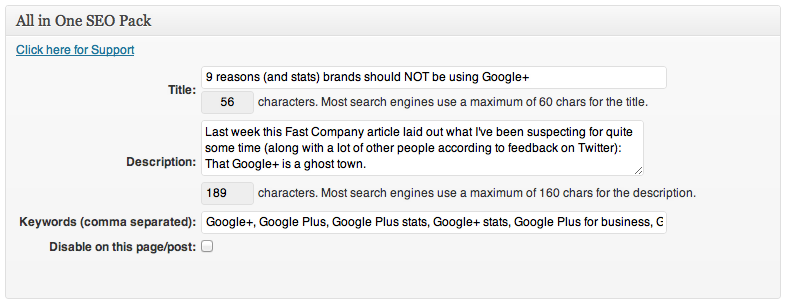
Tip: Don’t let SEO take over your content.
Resources: Lee Odden’s
Online Marketing blogand
SEOMoz are great resources if you’re looking to learn more about SEO.
7. Speed to information
“It’s a lot easier to anticipate opportunities and challenges when you’re aware of them before your competition or detractors.” –
Len Kendall, Golin Harris
Examples:
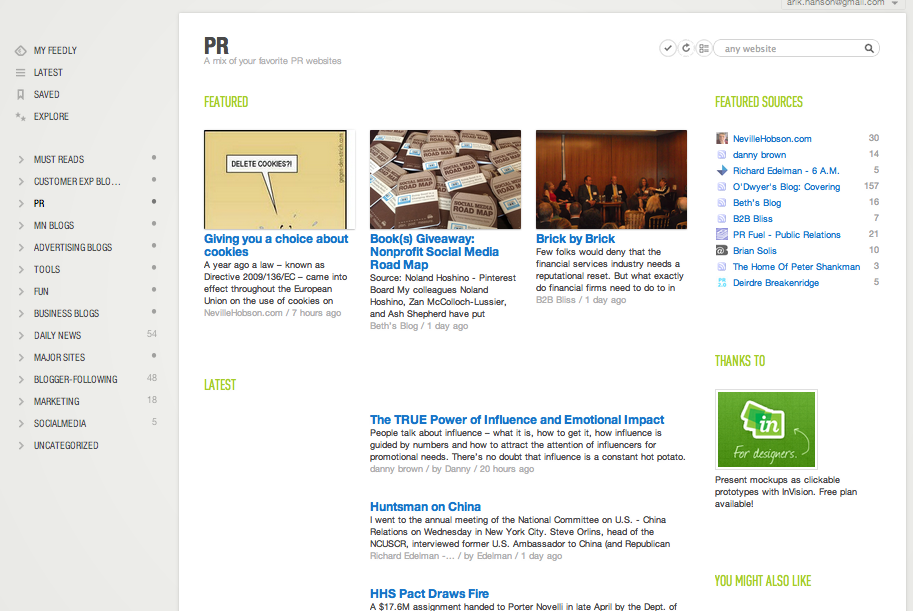
Tip: Develop a system–and practice!
Tools for content discovery: Diigo, Google Reader, Evernote, Instapaper
8. Programming skills
“The PR pro of the future (quite frankly, today) will definitely need to have a firm grasp of all the necessary tools to create, manage, and analyze digital content. For example, the ability to manipulate code in a WordPress site or a content management system such as Buddy Media has quickly become a basic requirement.” –
Alex Tan, director, digital, Golin Harris
Resources: CodeAcademy.com is a great resource for the average PR pro looking to learn more about coding. You can get a lesson a week send to you each week for a year to get you started.
9. Managing virtual teams
As more companies allow their employees to work remotely (in fact, some businesses are entirely virtual), the challenge of managing a remote workforce will come to the forefront. How will managers motivate, monitor, discipline, and inspire workers spread across the country, even the world? Not to mention foster engagement among them.
Tip: Focus on results, not time in the office
Resources: Check out
Workshifting.org for some great posts and tools to help you better manage virtual teams.
10. Blogger outreach
“In PR, one of our core roles is to help brands deliver the right message to the right audience. Media relations is one effective tool. But a number of bloggers are also building strong readership in niche subject areas. If you’re ignoring bloggers, I think you’re doing a disservice to your clients. Pitching bloggers isn’t the same as pitching other kinds of media; however, PR people need to understand how to innovate media-relations best practices and incorporate blogger outreach into their strategies. “ –
Heather Whaling, owner, Geben Communication
Tip: Resist the urge to sell right away
Resources: Heather Whaling’s
PRTiniis one of the better and more forward-thinking blogs when it comes to blogger outreach strategies. Subscribe now.