Related Content
•
CoSIDA.com/CoSIDA360 Magazine Archive
Note: This story appeared in the Spring 2020 May edition of CoSIDA 360 Magazine. To view the full magazine, click here.
Also Read: Putting Your Best Foot Forward (CoSIDA 360 Spring 2020 February Issue)
CAREERS / JOB SEEKERS
Own Your Interview
6 hiring managers reveal impactful strategies to help you ace your next job interview.
by Travis Jarome – Alabama State University, Director of Athletic Strategic Communication // CoSIDA Job Seekers Committee member
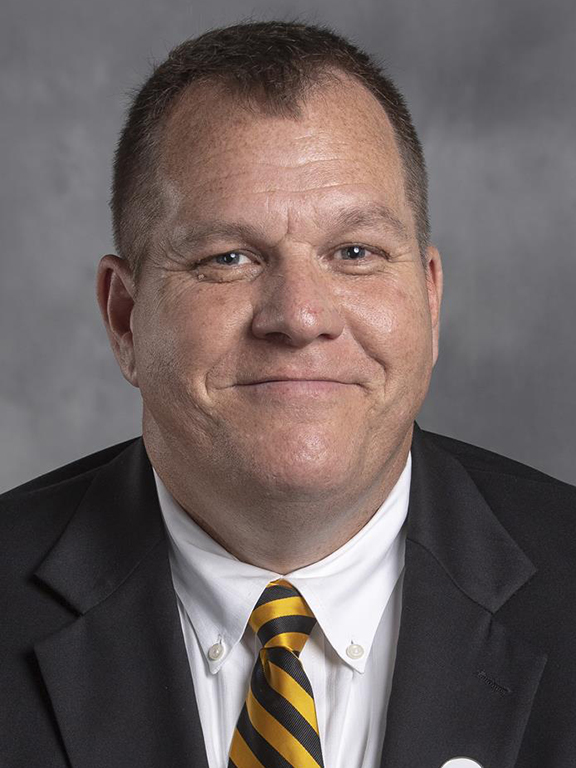 Communications professionals are typically the ones asking the questions. We ask questions of coaches, student-athletes and administrators, and we even find ourselves quizzing media members about topics they are covering. We’re not always comfortable when the tables are turned and others are asking the questions to us.
But what happens when that job you’ve always coveted comes open and the phone rings for an interview? How do you prepare yourself? The nerves start to flow just as they do for our student-athletes and coaches who are getting asked questions every day. Where do you turn to prep yourself for the interview? Do you turn it down?
If you do find yourself facing anxiety, a great place to turn is to your colleagues who have recently been in the position of making a hire. The following six individuals represent all different levels of athletics including communication professionals at the school and conference level, senior level administrators and a former communications professional who is a Division II athletic director.
- Mary Beth Challoner – University of Toronto, Manager, Events and Marketing
- Jasher Cox – Lincoln Memorial University, Athletic Director
- Jessica Paré – University of Alabama, Senior Associate Athletic Director, Communications
- Danielle Percival – Piedmont College, Assistant Athletic Director, Communications
- Adam Prendergast – Troy University, Associate AD Communications/Creative Services
- Denise Thompson – Big Sky Conference, Assistant Commissioner Communication/External
The answers provided are candid and what they are looking for when they are in a hiring situation. Their insight could be what you need to give you the confidence the next time you submit a resumé and find yourself in an interview room.
QUESTION 1
What are some of the mistakes you see applicants make when they’re trying to get an interview? What’s the most important thing to be able to land an interview
Percival: “I’m an attention-to-detail person. If you have mistakes on your cover letter or resumé, such as not having the right job or school on the application, it’s an immediate no for me. This job is fast-paced and I need to know you have attention to detail so mistakes won’t continuously appear in your content.”
Cox: “Contacting administrators via social media/DM to inquire about a job is a no-no. The same amount of time one could set aside to look up a social media handle could have been used to visit the university’s staff directory and search for an email or phone number.”
Paré: “The fastest way to make it to the no pile for me is when I see typos or grammatical errors on a cover letter or resumé. One of the main responsibilities of our job is writing and I strongly believe your application documents should be flawless.”
Challoner: “In this line of work, attention to detail is paramount. The misspelling of names or improper titles, an obvious cut and paste error, spelling mistakes in the opening paragraphs, applying for the wrong job or listing the wrong school — and trust me, those all happen — are a no for me. Another mistake I often see is a generic resumé with limited content relating to the job description and requirements. Automatic ‘no’ for me!”
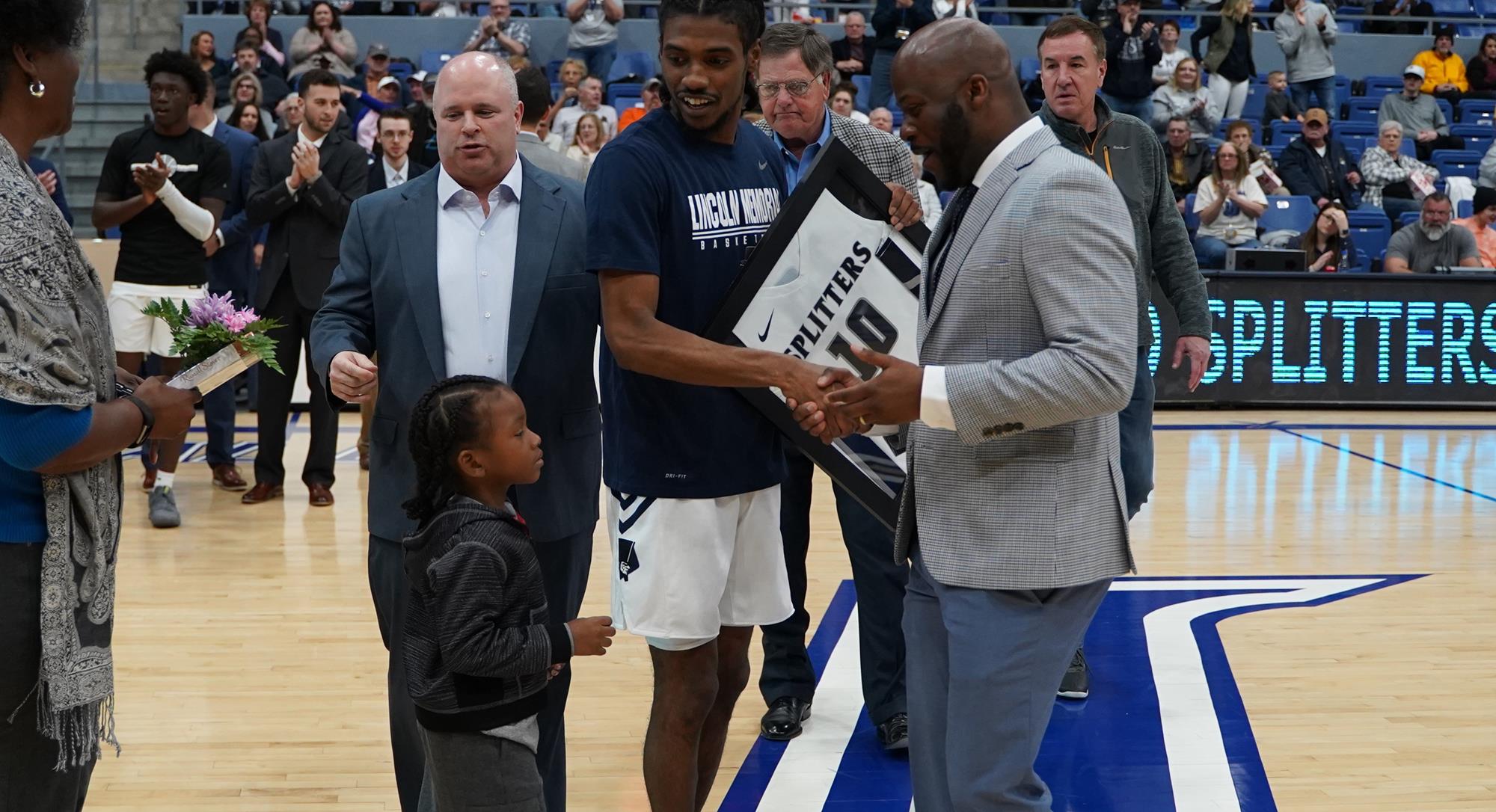 Jasher Cox, Lincoln Memorial University Athletic Director
QUESTION 2
What are some of the positives that get people moved to the ‘yes’ pile or call-back pile?
Percival: “I want to see you sell WHY you’re the right fit for the job. Don’t just list your skill sets, but give me examples of how you would make my department better. Tell me, “I’m skilled in social media management including a social media campaign I implemented that increased our engagement by xx%.” Give me projects and examples, not just skill sets.”
Thompson: “I like when someone shows personality in a cover letter. So many times, a cover letter is dry or a repetition of their resumé. I want to interview someone that shows character, knowledge and passion.”
Prendergast: “Obviously, we want to have someone that has some experience in the business and that varies between hiring graduate assistants and full-time staff members. I don’t sit here and only look for someone with Power 5 or Division I experience, because we’ve had a great deal of success with people from the other levels of collegiate athletics and we’re proud of them. I like to see a complete resumé. Don’t make me dig too much to find out who you are and what you’ve done. I’m going to do my homework on you if we really like you, but I don’t want to have to dig too much to get to that point.”
Challoner: “Experience in this field and/or related fields. A well laid out and organized resumé with pertinent information to the job and its requirements. Some creativity never hurts, but before applicants go crazy, make sure the resumé is easy to read and navigate. I’m not sure how many resumés I go through, but it is a lot, and if relevant information isn’t visible on the first page, it’s unlikely I get to the second page.”
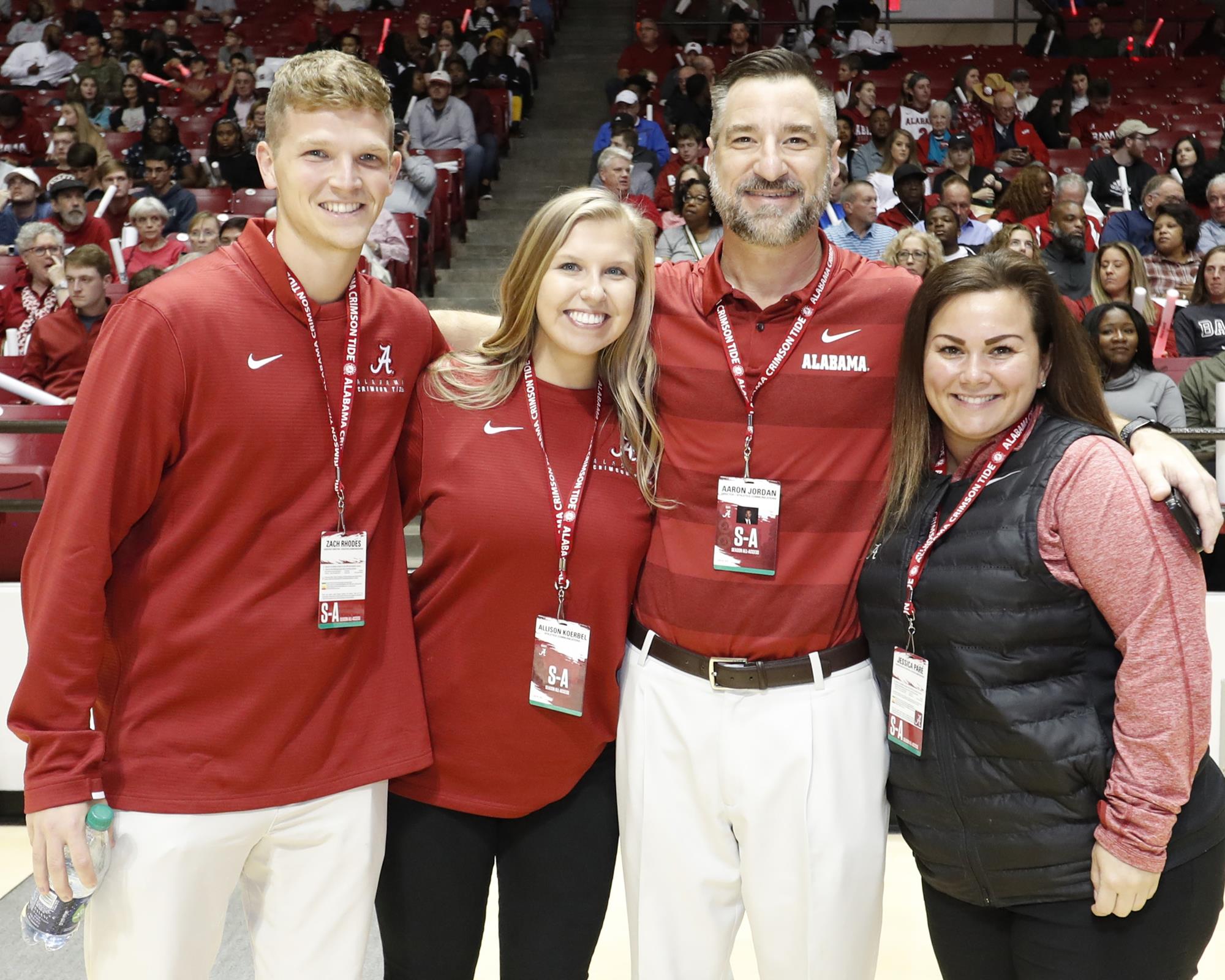 Jessica Paré (right), University of Alabama, Senior Associate Athletic Director, Communications
QUESTION 3
What are you looking for during the interview?
Percival: “During the interview I want to see if you’re a good fit with our culture. Ultimately, this person is someone you’re going to spend countless hours a week within close contact, so I want to make sure the fit is right. If you’ve gotten to the interview process, I should know you’ve got the skills needed for the job, now I need to know you’re the right person for it.”
Thompson: “I am all about confidence, personality and creativity. There is a fine line between confidence and arrogance. Make sure to know the difference between the two.”
Prendergast: “Fit is a big thing for me when first getting someone on the phone for an initial interview. We’re going to spend a lot of time together and I want someone that’s going to be a great fit on our team. When working in a smaller office, it just takes one bad fit to bring overall morale down for the whole group and that can sink your office big time.
So, I’m looking for easy conversation. I’m looking for someone who is comfortable in their own words. I want somebody to be knowledgeable about Troy Athletics BEFORE the interview — DO YOUR HOMEWORK! This is a big one for me. Show that you care enough about the job that you’re willing to take the time to learn a little bit of history and about the staff. I’m looking for someone who is real with what they’re saying. Don’t give me a bunch of buzz words to try and sound smart. Give me real talk about you and your experiences. Know your source material. Know the background of who you are talking to. Know about the school, the town, the coaches, the staff.”
Cox: “Getting my attention early in the interview is key. Some interviewers make up their minds about candidates within the first five minutes of discussion, and then spend the rest of the interview looking for things to confirm that decision!”
Paré: “If we’re in the final stage of interviewing, we’re confident that individual has all the abilities to carry out the technicalities of the job. What’s more important for us at that point is how that person fits in our office culture, how the conversation flows, if the candidate really shows an interest in the position and feedback from the coaches and other support staff that individual would be working with.”
Challoner: “Confidence. Personality. Someone with good oral communication who’s prepared with knowledge of the school, of the program, of the job requirements and who is able to provide some fresh and creative examples of how they might enhance the position should they be the successful candidate.”
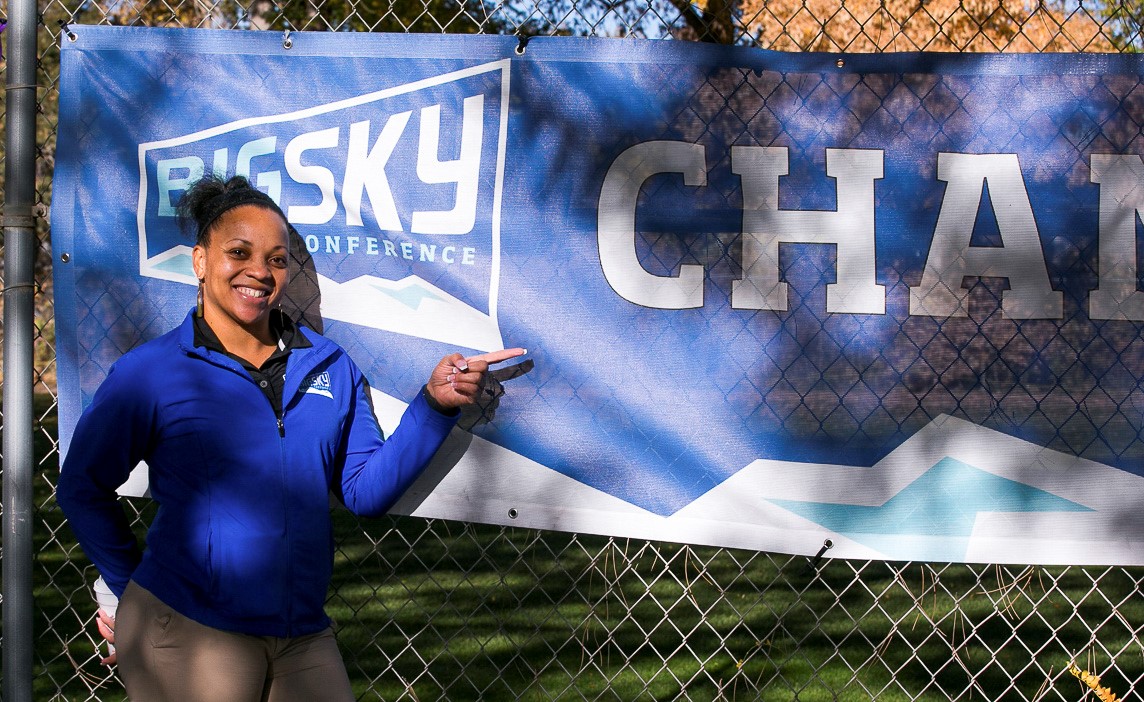 Denise Thompson – Big Sky Conference, Assistant Commissioner Communication/External
QUESTION 4
What are some tools that those interviewing need that are beneficial to the business today?
Percival: “I believe the biggest key to interviewing today is to be authentic. Don’t try to be something you’re not. That doesn’t help anyone. Be true to who you are, what you know, and where you’re willing to improve. That honesty means more than something I can likely teach you in the long run.”
Prendergast: “On our team, we’re looking for those who can be flexible and are willing to learn. Our business is changing daily and people who are willing to adapt are going to be the ones who survive. When I was a student assistant, we were still doing fax blast after football practice and hand-stuffing game notes to put in the mail. I’ve self-taught myself a lot of what we’re doing today because I was willing to learn and stay current in the business, and that’s possibly the most valuable tool right now. As far as tangible tools, we need people who can write and who know how to keep stats correctly, but those who have the ability to operate a camera, can edit videos, can make graphics are all huge pluses in the business these days, especially at the Division I Group of 5 level where we’re still doing a lot of the creative content ourselves. The more versatile you can make yourself, the stronger candidate you will be.”
Cox: Your job is to transform this “tug of war” into a relationship in which we’re both on the same side. One could say something as simple as, “I’m happy to have the chance to learn more about your institution and to let you learn more about me, so we can see if this is going to be a good match or not. I always think that the worst thing that can happen is to be hired into a job that’s wrong for you — then nobody’s happy!” This is a good strategy and quickly alerts the committee that you’re seeking a job that’s the perfect fit and you’re not desperate.”
Paré: “I know it may sound funny, but it’s important that the candidate be comfortable interviewing with those he or she is meeting with. If you need to practice in front of someone, there is nothing wrong with that. At the end of the day, it’s a conversation, and communication is obviously an important part of what we do. As I mentioned above, proofreading/copy editing are at the top of my list too. Creativity, especially in the social media realm, is something that has a real value.”
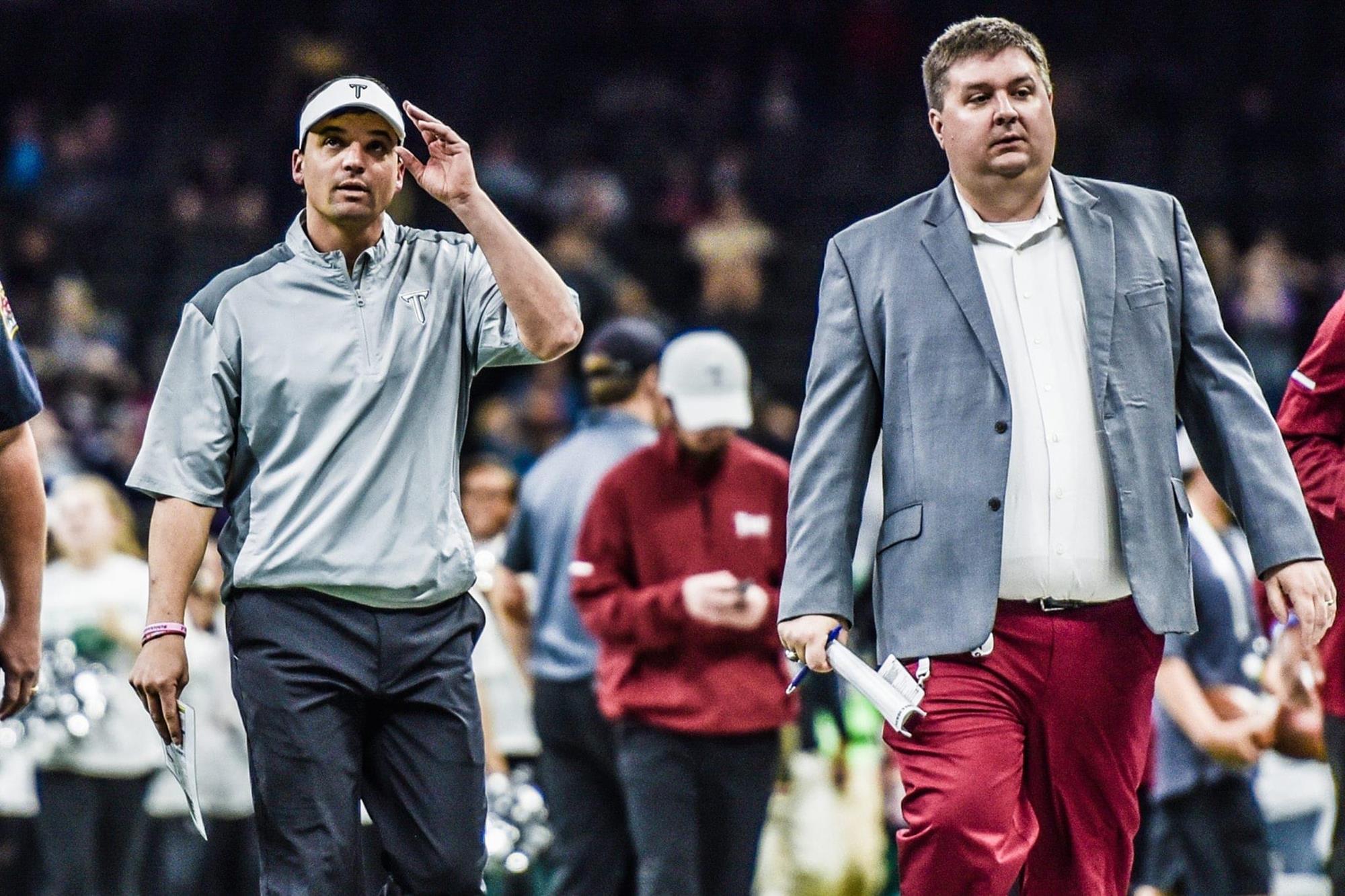 Adam Prendergast – Troy University, Associate AD Communications/Creative Services
QUESTION 5
What is the key question you are looking to be answered, or have asked of you, by the prospective employee?
Percival: “With a large student work staff, I like to ask questions about how to deal with mistakes made by student workers. How do you handle correcting others? Is it loving, gentle and guiding, or is it harsh and rash? That usually says a good bit about their approach.”
Thompson: “What can you do to take this position and school/conference office to the next level?
Prendergast: “Why Troy? I want someone to tell me why they want to be a part of our team. I love questions from prospective employees at the end of an interview and, to be honest, get frustrated when they don’t have any because questions show me that you’re really interested and that you’ve done your homework. I like questions that are specific to the program that they would be covering.”
Cox: “I view an interview as if it’s a dance in which you and a partner move together, both responding to the other. Don’t make the mistake of just sitting there waiting for the interviewer to ask you about that one time you were named employee of the year. It’s your responsibility to make sure he/she walks away knowing your key selling points.”
Paré: ”I am always curious to hear what a candidate thinks about the future of our profession and how he or she thinks we can improve on our current model at Alabama. On the flip side, I appreciate when a candidate has questions prepared for me, whether it be personal about my time at Alabama or specifics about our department. Someone will always stand out when they’ve done their homework.”
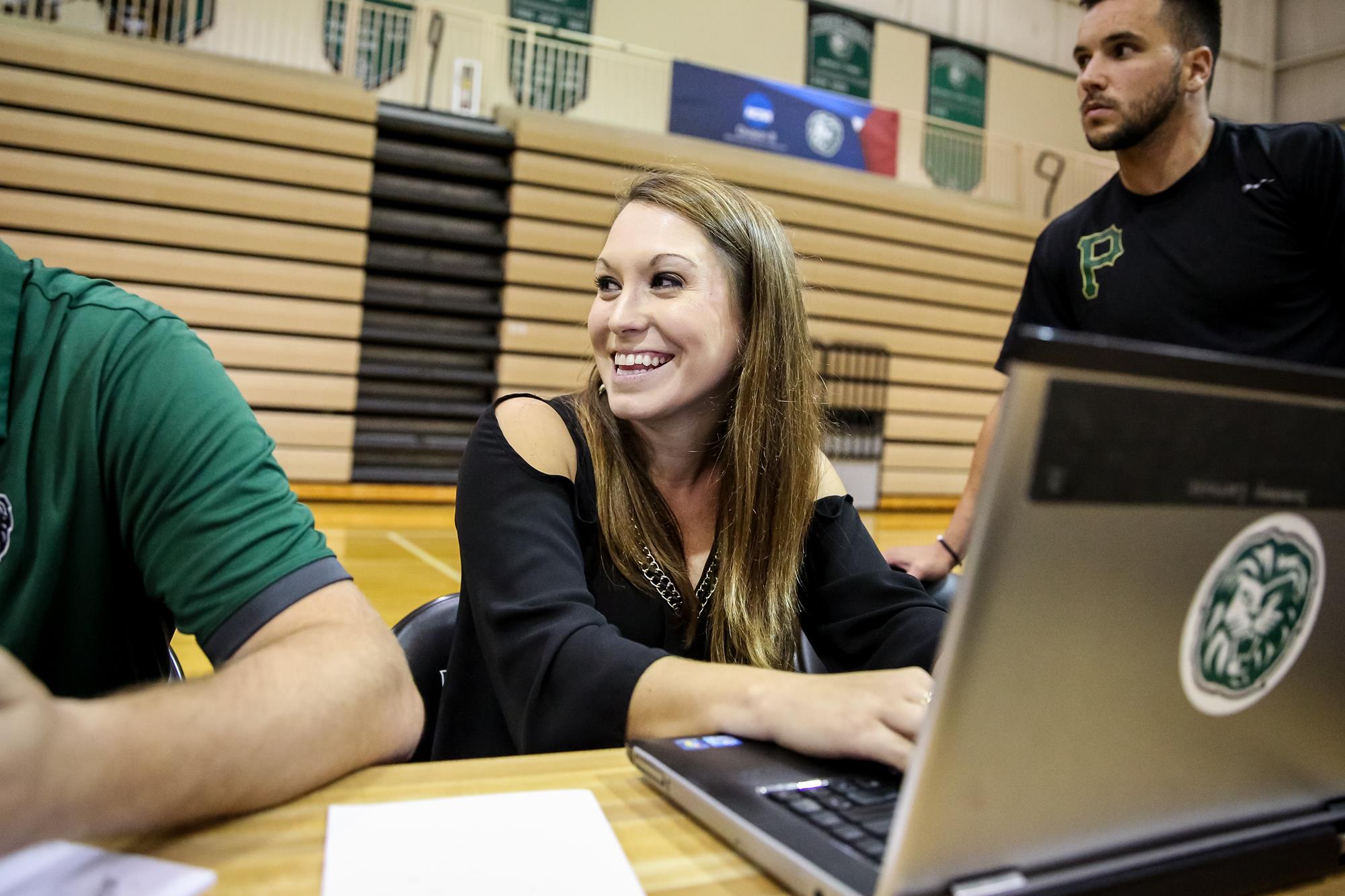 Danielle Percival – Piedmont College, Assistant Athletic Director, Communications
QUESTION 6
Are you looking for short, concise answers, or more lengthy responses?
Percival: “I want you to explain your answer to me, but don’t just talk to try and impress me. State your point, give an example if needed, then wrap it up.”
Thompson: “I’m looking for you to answer the question without putting me to sleep. That sounds harsh, but that’s the reality. The best answers are the ones where the applicant knows how to draw you in. Answers that are specific to the job are always best. Your answer can be short and concise or long and to the point, just make sure you actually answer the question.”
Prendergast: “Both. I know that’s a cop out answer, but I want the person I’m interviewing to be genuine. It goes back to our social strategy, we don’t post just to post, so when you’re doing an interview don’t just talk to talk. Answer the question to the best of your ability and let that be it. More words don’t impress me, but answers that flow easily with a good back and forth between myself and the interviewee impresses me.”
Cox: “I’m looking for you to thoroughly answer the question, but not take over the interview in doing so.”
Paré: “Honestly, I appreciate both. Depending on the question, you may be able to answer it in a line or two, whereas some questions are best answered with a longer, more thought out answer. I believe it’s important to be genuine in your answers regardless of the length.”
Challoner: “I would prefer short concise answers, with a touch of color. An understanding of when to elaborate and provide more in-depth information is also a plus.”
No matter the circumstance, no matter the institution, no matter the level; it’s best to be prepared, responsible and honest when sitting down for an interview.
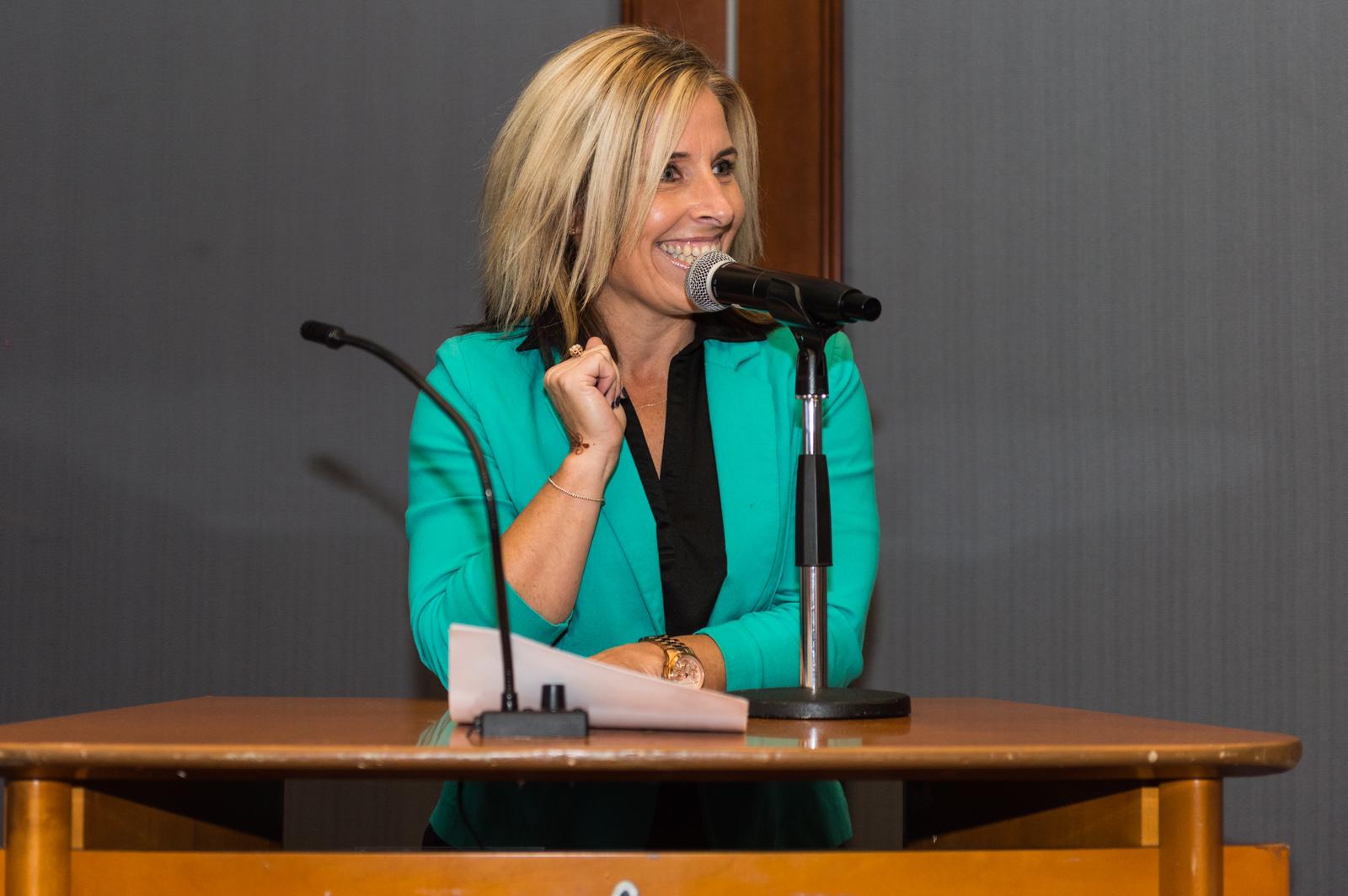 Mary Beth Challoner – University of Toronto, Manager, Events and Marketing
|
SIDEBAR
Win The Interview, Land Your Dream Job
There’s nothing more upsetting than getting “second place” for a job you really wanted. Chances are you Googled “interview checklist,” did everything you were supposed to do, felt like you knocked the interview out of the park, and after you got that rejection letter were stunned. “How can they not love me?!” Likely, for them, it came down to “fit.”
Hopefully you already understand the importance of dressing appropriately, arriving on time and prepared, and saying thank you. Those and other basics are easily found all over the internet. If those ideas don’t ring a bell, then that may be a better place to start.
Assuming you’ve got the basics already down, below is a summary of five ideas to embrace so next time you can not only get the interview, but win the dream job too.
Perfect Resume and Cover Letter
- Make sure application materials meet the standards outlined in the job description, and that of the profession.
- Your documents should be flawless. Don’t make grammatical or spelling mistakes. They’re potentially going through hundreds of resumés and you get one shot to get it right. They don’t expect you to be perfect, but they expect your application to be.
Put in the Time and Effort
- Tailor your application materials to the job you are applying for. Be thorough.
- Work on what you want to say in advance. Do your homework so you’re not taken by surprise and start fumbling your words. Confidence in your responses will go a long way.
- Ask the interviewer questions. Most hiring managers are disappointed if you don’t.
- Show your knowledge of the program and the staff you’ll be joining. Asking specific questions about the staff, team, administrator or coach you’ll be working for will impress.
Be a Pro
- Avoid contacting administrators via social media or direct message. Find an email address or phone number if you need to contact them.
- Exaggerating or faking your experience or qualifications is a recipe for disaster. They’ll see right through you if you make it to the interview.
- Be careful about being overly creative. Don’t use a lot of extra flare or gimmicks. Stay professional.
- Be prepared to answer questions. You need to know the job, know the business, and be ready with fresh ideas as best you can. Take a deep breath, listen to the question, understand and answer the question you’re asked as concisely as possible.
Stand Out
- Your most important selling points should stand out on your application without making them have to dig for it. Lead your resumé with whatever makes you look most impressive.
- Make a good first impression when you walk in the door for your interview. They’ll be making a decision about you in those first few minutes and then be looking to confirm that first impression for the rest of the interview.
- Bring a couple fresh ideas of how you can take your new employer to the next level. Why do you want to work there? Show how you would be invested in what they are all about.
Fit Above Everything
- People who are genuinely upbeat and happy, but authentic, stand out.
- Show your personality and be creative and interesting in your answers.
- Display a growth mindset that you’re eager to learn, not set in old ways.
- How do you handle mistakes? How will you treat your coworkers or those you supervise? The interviewers will be trying to get a feel for what it’s going to be like to spend their workdays (lives) with you.
|

Want to add something to this topic? Add your thoughts on the
CoSIDA Connect Open Member Forum.